
Ben Gadomski, PhD
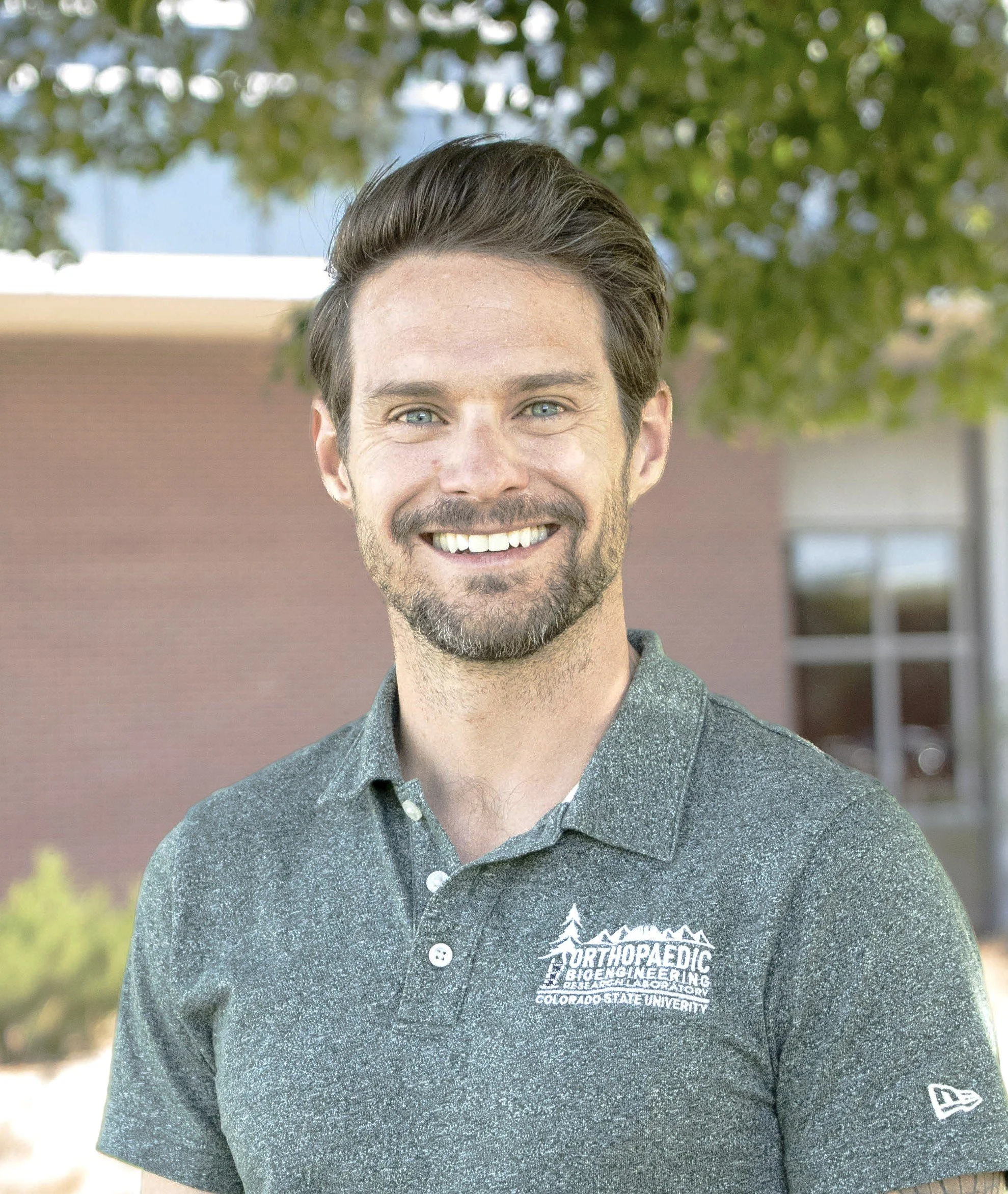
I began running in high school—far from fast at the time. My grandfather loved telling the story of a freshman-mile race where everyone finished and I came along several minutes later. While exaggerated, it wasn’t far off. Despite slow early progress, I fell in love with the competitiveness, discipline, and focus that running cultivated.
Throughout my twenties, I trained and competed across a variety of endurance sports—including running, triathlon, duathlon, road cycling, and cyclocross—while earning my Ph.D. in Biomedical Engineering at Colorado State University. I always wanted to merge my passion for sports performance with my professional career, and biomedical engineering provided the perfect foundation.
I returned to a primary focus on running when I became a father and time became more limited. During the 2020 pandemic, I finally committed to the marathon distance and never looked back. While I never had elite track speed, my strength has always been endurance—the slow, steady “diesel engine” that thrives in the marathon.
What I didn’t fully understand until later was that my “diesel engine” had a scientific explanation. I have hereditary spherocytosis—a genetic blood condition that causes my red blood cells to be abnormally shaped and prematurely destroyed, limiting my body’s ability to carry oxygen at peak intensity. For years I simply accepted that sprinting felt harder than it should. Once I understood the physiology behind it, I could train smarter: adjusting intensity zones, interpreting my data differently, and building workouts that maximized the aerobic capacity I do have. That shift—from accepting a limitation to engineering around it—changed everything. It’s also at the core of how I coach: every athlete has a unique physiology, and understanding the “why” behind your body’s response is the first step to building a plan that actually works.
My first marathon was the Steamboat Springs Marathon at 9,000 feet of elevation, where I ran 3:02, qualified for Boston, and finished 3rd overall. That experience provided all the motivation I needed. Since then, I’ve steadily lowered my marathon time—running 2:51 at Boston 2022, 2:44 at Boston 2023, and 2:35 at Boston 2024, finishing 251st overall.
While I continue to get older, my performances continue to improve. I balance training and racing with my career as a professor at Colorado State University and being a father to five great kids. Beyond coaching individual athletes, I serve on the Board of Directors of the Fort Collins Running Club, chair its Sponsorship Committee supporting 40+ races across Northern Colorado, and directed the inaugural Fort Collins Running Summit—a 100-person event featuring a keynote by Kara Goucher. I also coached the FCRC Youth Track Program, working with over 80 kids ages 6 to 13. I love helping athletes of all backgrounds realize that big goals are possible—using a data-driven approach grounded in engineering, physiology, and a deep understanding of how the human body actually adapts.
✓ 2:35:38 Marathon PR · 5× Boston Finisher — 251st overall at Boston 2024 in hot, difficult conditions
✓ PhD in Biomedical Engineering · CSU Professor — Data-driven coaching grounded in engineering and physiology
✓ Former Coach at Luke Humphrey Running · Hansons Method trained — Trained under the Hansons-Brooks Distance Project methodology
✓ 2023 Saucony Boston Team
✓ 2024 Puma Project3 — Elite program athlete competing at national level